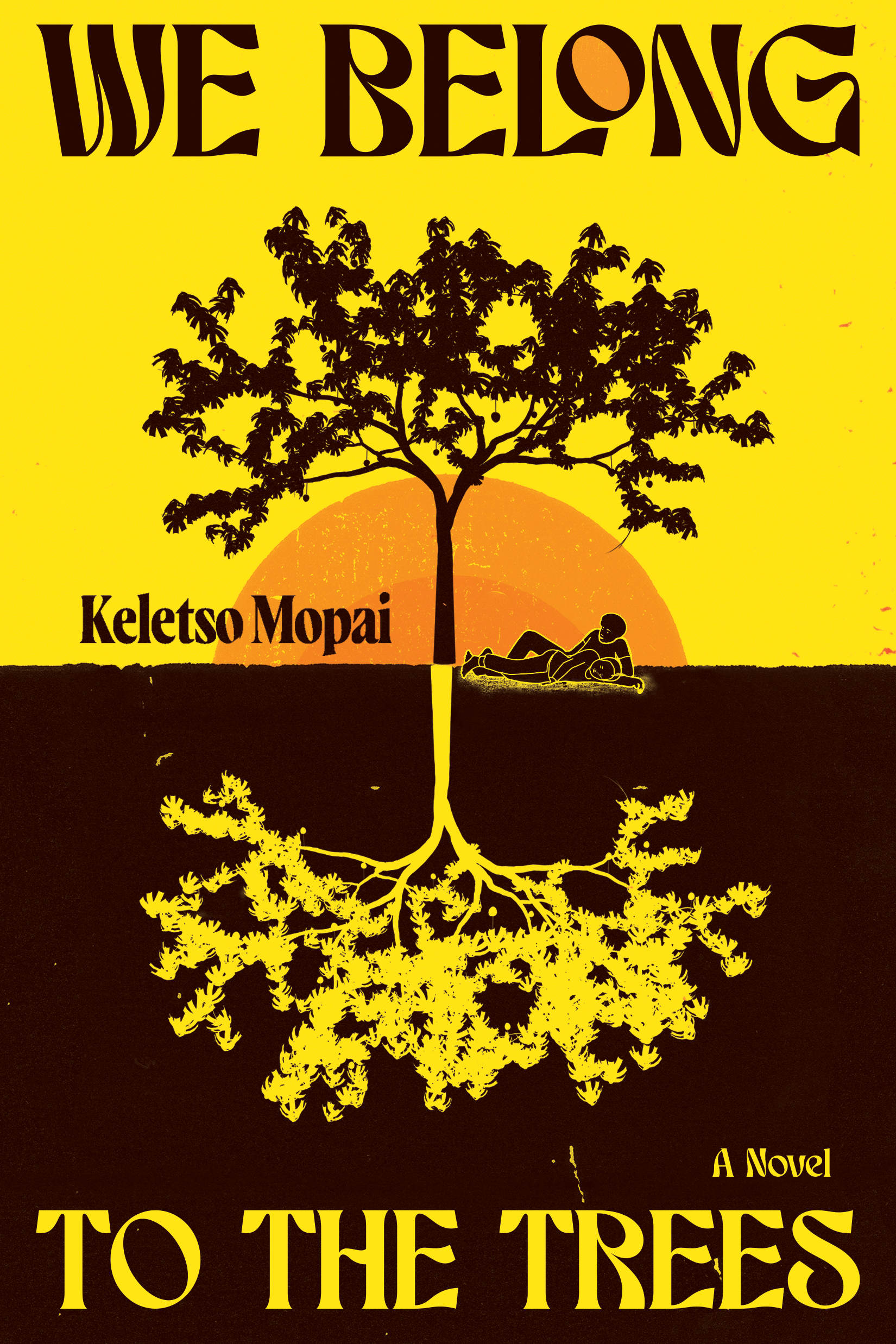
In this multi-layered debut novel, Keletso Mopai dives into the world of post-apartheid South Africa in a small town, where a devastating act of racial violence shocks the community.
Set against the backdrop of a post-Mandela, multi-racial South Africa in the mid-1990s, this novel follows a range of characters whose different racial and socioeconomic backgrounds inform how they contend with the fallout of the tragedy and how it ripples down a generation.
On a farm in Tzaneen, an Afrikaner town in Limpopo, the northernmost province of South Africa, Maluka, a young Black security guard, steps into trouble with the family for whom he works. We meet Maluka’s younger brother Solly, who searches for the truth of what happened; the farm’s matron Sunette, who suffers at the hands of her violent husband; Maluka’s beloved Cola, a young spiritualist, who is pregnant with his child; and many more memorable characters. As secrets and resentments come to light, relationships are put under pressure, illuminating the complex and simmering tensions that define this community.
An exquisite and wide-ranging debut, We Belong to the Trees offers an utterly original vision of post-apartheid South Africa, one that grapples with the freedom from the old apartheid realities and the yet-unrealized promised land of self-empowerment and equity the nation had long yearned for. The effects of exploitation, poverty, racism, and greed converge in a small town to tell the tale of a nation still grappling with the wounds of a violent history that is more than a recent memory.
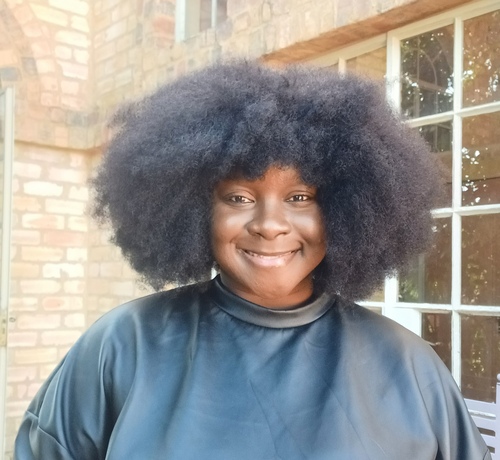
KELETSO MOPAI is the author of the short story collection, If You Keep Digging (2019), and her work has been published internationally in several journals, including Internazionale, The Johannesburg Review of Books, Kaleidoscope Magazine, and Catapult. In 2017, she was awarded the Igby Prize for Nonfiction for her essay “This Is Not a Safe Place,” and in 2020, Mail & Guardian named her one of the top 200 Young South Africans. She has been shortlisted for various short story prizes, including the Brittle Paper Award for Fiction for her story “Monkeys,” and the Writivism Prize. We Belong to the Trees is her first novel, and Mopai is at work on her second story collection, The Mothers.